
Two tests. Similar names. Completely different purposes. Yet every day, patients walk into clinics confused about which one they actually need—and sometimes they delay both because of that confusion. Below are the following breakdowns.
The Basic Difference
Think of it this way: CT angiography is a camera. Conventional angiography is a camera with hands.
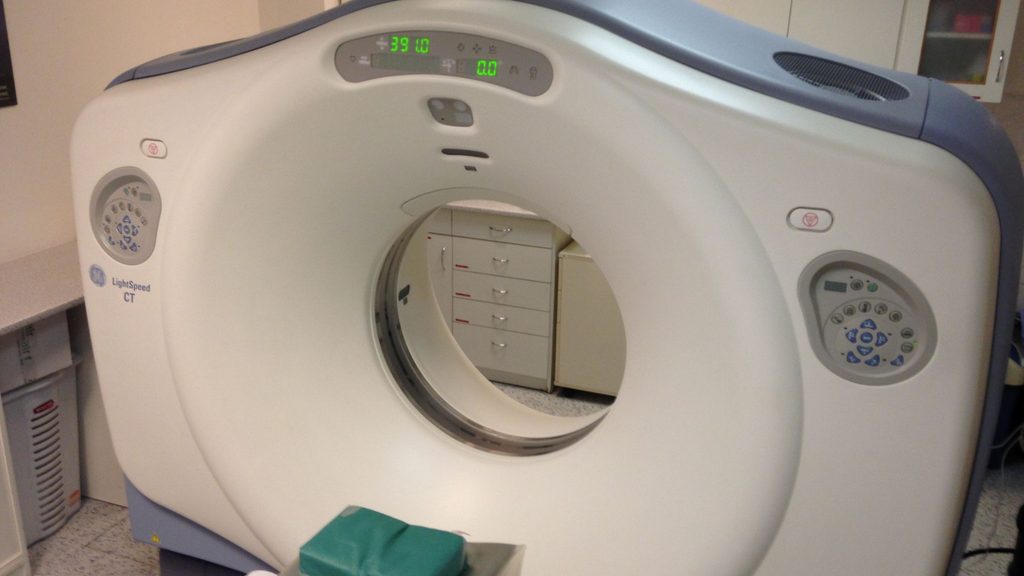
• CT coronary angiography uses a CT scanner and intravenous dye to create detailed images of your heart’s arteries from outside the body. No cuts, no catheters inside the heart, no recovery time.
• Conventional angiography threads a thin tube through your wrist or groin directly into the coronary arteries. It shows blockages live—and if needed, the doctor can place a stent right then and there.
When CT Angiography Makes Sense
This test shines as a screening tool. It’s best for:
• People with chest discomfort but no clear diagnosis
• Those with risk factors like diabetes, smoking, or family history
• Patients who want to rule out serious blockages without an invasive procedure
• Follow-up after a stent or bypass to check other vessels
The catch: If your heart rate is fast or irregular, images may blur. Heavy calcium deposits can also obscure results, sometimes making the report inconclusive.
When Conventional Angiography Is Necessary
This is the gold standard for confirming and treating blockages. It’s recommended when:
• Symptoms are strong and persistent
• A stress test or CT scan already suggests significant disease
• You’re having a heart attack and need immediate intervention
• Stenting is likely required
The trade-off: It’s invasive, carries a small risk of bleeding or infection, and usually involves a short hospital stay. But it’s also the only test that allows treatment in the same session.
A Simple Way to Decide
Your cardiologist will weigh several factors:
• How severe are your symptoms?
• What do previous tests show?
• Do you have diabetes, kidney issues, or high BP?
• Is this a planned evaluation or an emergency?
Often, CT angiography serves as the first step. If it shows clean arteries, you may avoid invasive testing altogether. If it reveals problems, conventional angiography confirms the diagnosis and allows immediate stenting.
Don’t Overlook the Basics
Heart tests are important—but so is controlling the conditions that damage your heart in the first place. Uncontrolled blood pressure silently weakens arteries over years. If your readings are consistently high, seeing the best high BP doctor in Agra is not optional—it’s essential. Similarly, repeated fevers—whether from infection or rheumatic causes—can harm heart valves if ignored. Consulting the best fever doctor in Agra early can prevent damage that later demands cardiac procedures.
The Bottom Line
CT angiography is safer, faster, and non-invasive—ideal for ruling out disease. Conventional angiography is definitive and allows treatment on the spot—essential when blockages are likely or symptoms are serious.
Neither test is “better” in isolation. The right one depends on your symptoms, your risk profile, and what your cardiologist finds during evaluation. Don’t choose based on cost or convenience alone. Get a proper assessment, ask why a specific test is being recommended, and act on the results without delay. Your heart doesn’t wait—neither should you.
